Pipe systems are built to last, but they are not designed to last forever. Most pipe failures do not happen suddenly. They develop slowly, often out of sight, giving off small warning signs long before serious damage occurs.
The challenge for many property owners is knowing which signs matter and when to take action. What feels like a minor inconvenience today can become a disruptive and expensive repair if left unchecked.
Understanding the early signs of pipe failure can help you act before problems escalate. Here’s what to look for, what those signs usually mean, and why early inspection matters.
Why Pipe Problems Often Go Unnoticed
One of the biggest reasons pipe issues escalate is simple. Pipes are hidden. They run beneath floors, behind walls, and underground, which means deterioration can continue without being seen. Unlike visible fittings, there is rarely a clear moment when a pipe announces it is failing.
Several factors contribute to this:
- Pipe damage usually develops gradually rather than suddenly
- Early symptoms tend to appear intermittently
- Temporary fixes can restore normal use for short periods
- Older pipe materials can deteriorate quietly beneath the surface
When daily routines continue without interruption, it is natural to assume the issue has been resolved. In reality, the underlying problem often remains and continues to develop until it becomes harder to ignore.
Subtle Warning Signs Property Owners Commonly Miss
Early pipe failure rarely presents as a sudden or obvious problem. More often, it shows up as small, easily dismissed changes in how your plumbing behaves day to day.
Because these signs tend to appear gradually and inconsistently, they are often written off as normal wear or temporary inconvenience. Over time, however, they can indicate early deterioration within the pipe system.
Common early warning signs include:
- Drains emptying more slowly than they should
- Gurgling or bubbling sounds from sinks, toilets, or floor wastes
- Blockages that recur or do not fully clear
- Changes or inconsistency in water pressure
- Water backing up in one fixture when another is in use
- Multiple fixtures affected at the same time
- Drainage issues that worsen during heavier water use
These issues often come and go, which makes them feel manageable. When they start appearing more frequently, it is usually a sign that something inside the pipe system is changing.
A blockage that happens once can be explained by everyday use. A blockage that keeps returning is rarely accidental.
Recurring blockages often indicate:
- Cracks allowing debris or tree roots to enter
- Pipe joints that have shifted or separated
- Internal corrosion reducing flow capacity
- Partial collapses within the pipe
Clearing the blockage without understanding the cause treats the symptom rather than the problem. Over time, damage tends to worsen, making repairs more complex. If you are clearing the same drain repeatedly, it is usually time to look deeper.
Smells, Damp Areas, and Unexplained Water Issues
Not all warning signs are visual. Some of the clearest indicators of pipe failure involve smell, colour or moisture.
Persistent unpleasant odours can suggest wastewater leakage or ventilation issues caused by pipe damage. Damp patches or discolouration on floors, walls, or outdoor areas may point to slow leaks that have been present for some time.
Other signs to watch for include:
- Musty or sewage-like smells
- Mould appearing without a clear cause
- Rising water bills where leaks are gradual rather than obvious
- Soft or sinking ground near drainage lines
- Symptoms appear in different areas of the property
- The building has older plumbing infrastructure
These symptoms often develop slowly, which makes them easy to overlook until visible damage appears.
Why Quick Fixes Rarely Solve the Real Problem
Quick fixes can feel reassuring because they restore normal use, often within minutes. When water starts flowing again, it’s natural to assume the issue has been resolved.
In reality, these solutions usually address the symptom rather than the cause. Without understanding what is happening inside the pipe, the underlying problem often remains.
Common short-term measures include:
- Chemical drain cleaners
- Repeated jetting or snaking
- Localised repairs without inspection
While these approaches may improve flow temporarily, they do not repair cracks, structural deterioration, joint movement, or root intrusion. In some cases, repeated chemical treatments can actually accelerate pipe corrosion and material breakdown.
Over time, relying on short-term fixes can lead to recurring issues, repeated call-outs, and higher long-term costs. Identifying the cause early allows you to fix pipes properly and reduces the risk of more disruptive work later on.
How a Professional Inspection Provides Clarity
When pipe issues are hidden below the surface, certainty matters. A professional CCTV pipe inspection allows specialists to see exactly what is happening inside the pipe system, without digging or disruption.
Using high-resolution cameras, the inspection provides a clear, real-time view of the internal condition of the pipe. This makes it possible to understand the problem accurately before any repair decisions are made.
A CCTV inspection helps identify:
- The precise location and cause of damage
- The condition, age, and material of the pipe
- Whether cracks, corrosion, or tree root intrusion are present
- Structural issues such as joint failure, sagging, or deformation
- Which repair options are appropriate for the situation
This removes guesswork and allows property owners to make informed decisions based on evidence rather than assumptions.
Nuflow provides detailed CCTV pipe inspections to assess pipe condition accurately before recommending any repair solution.
Why Early Action Protects Your Property
Most serious pipe failures begin as small, manageable issues that were left unresolved. When problems are identified early, repairs can be planned properly rather than carried out under pressure.
Taking action sooner allows property owners to:
- Reduce overall repair costs
- Minimise disruption to the property
- Extend the life of existing pipe systems
- Avoid unexpected or emergency situations
Pipe systems rarely fail without warning. The early signs are often subtle and easy to overlook, particularly when daily routines are not immediately affected. Recognising these indicators gives property owners greater control over how and when repairs are carried out.
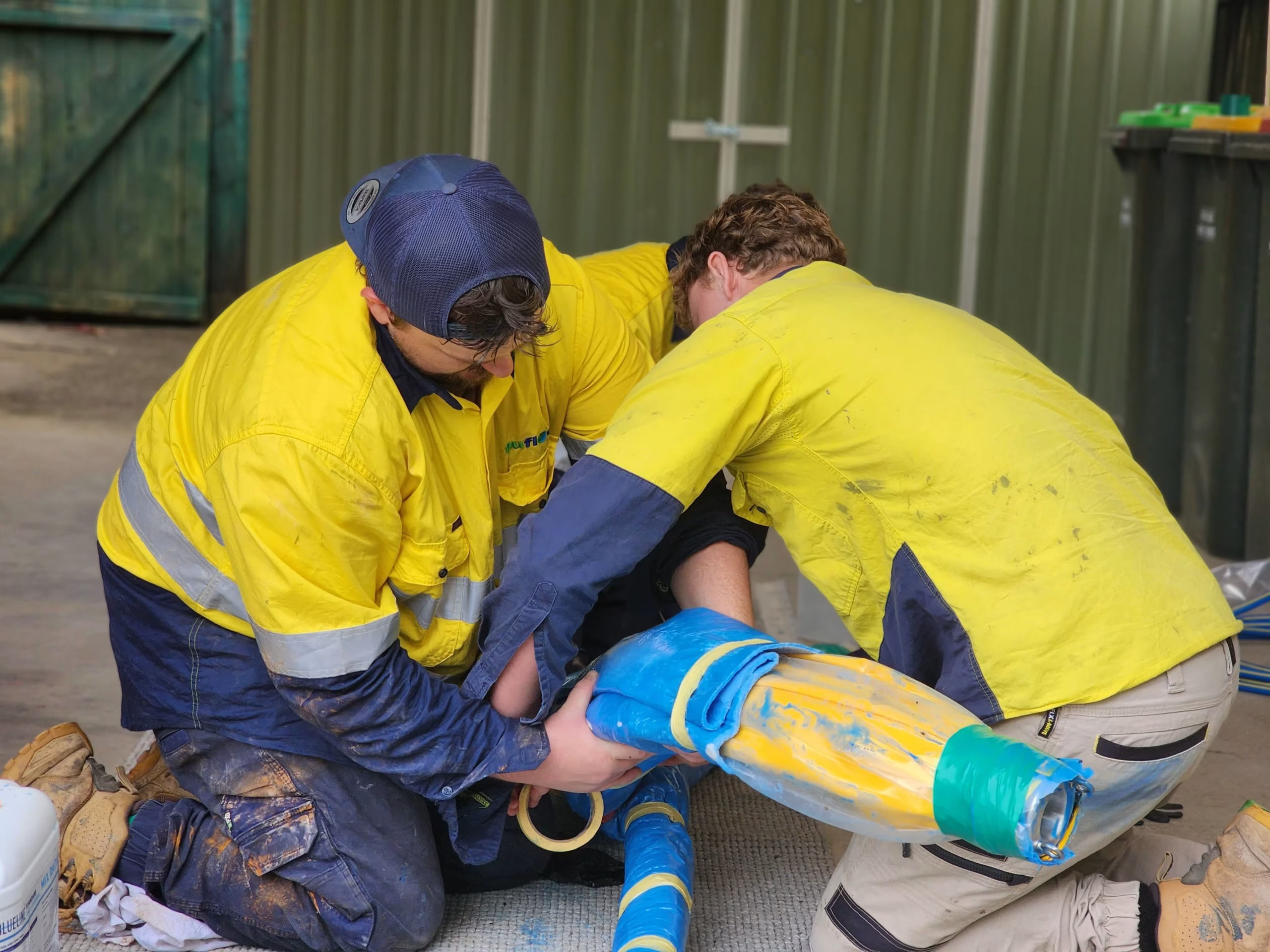
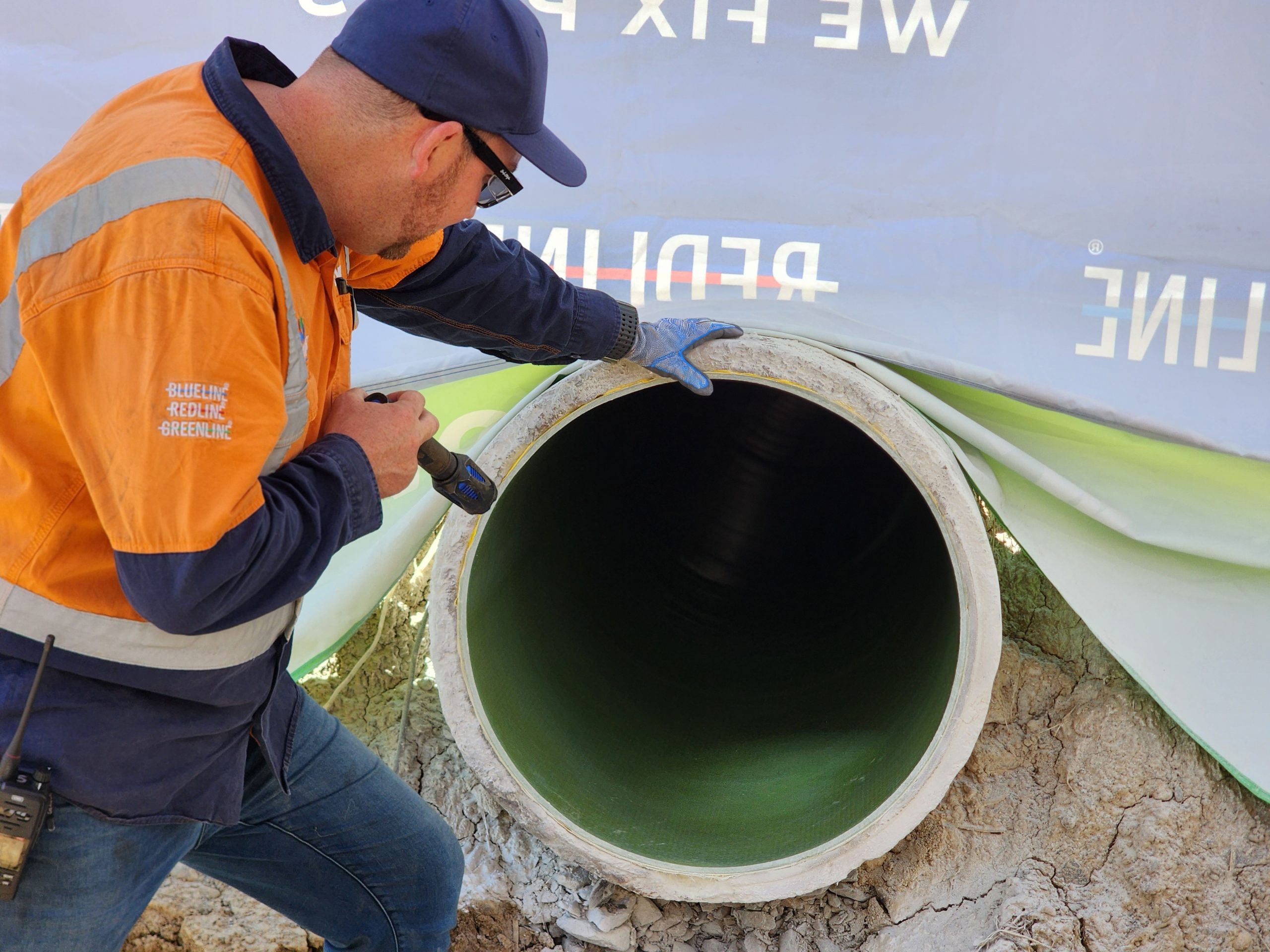
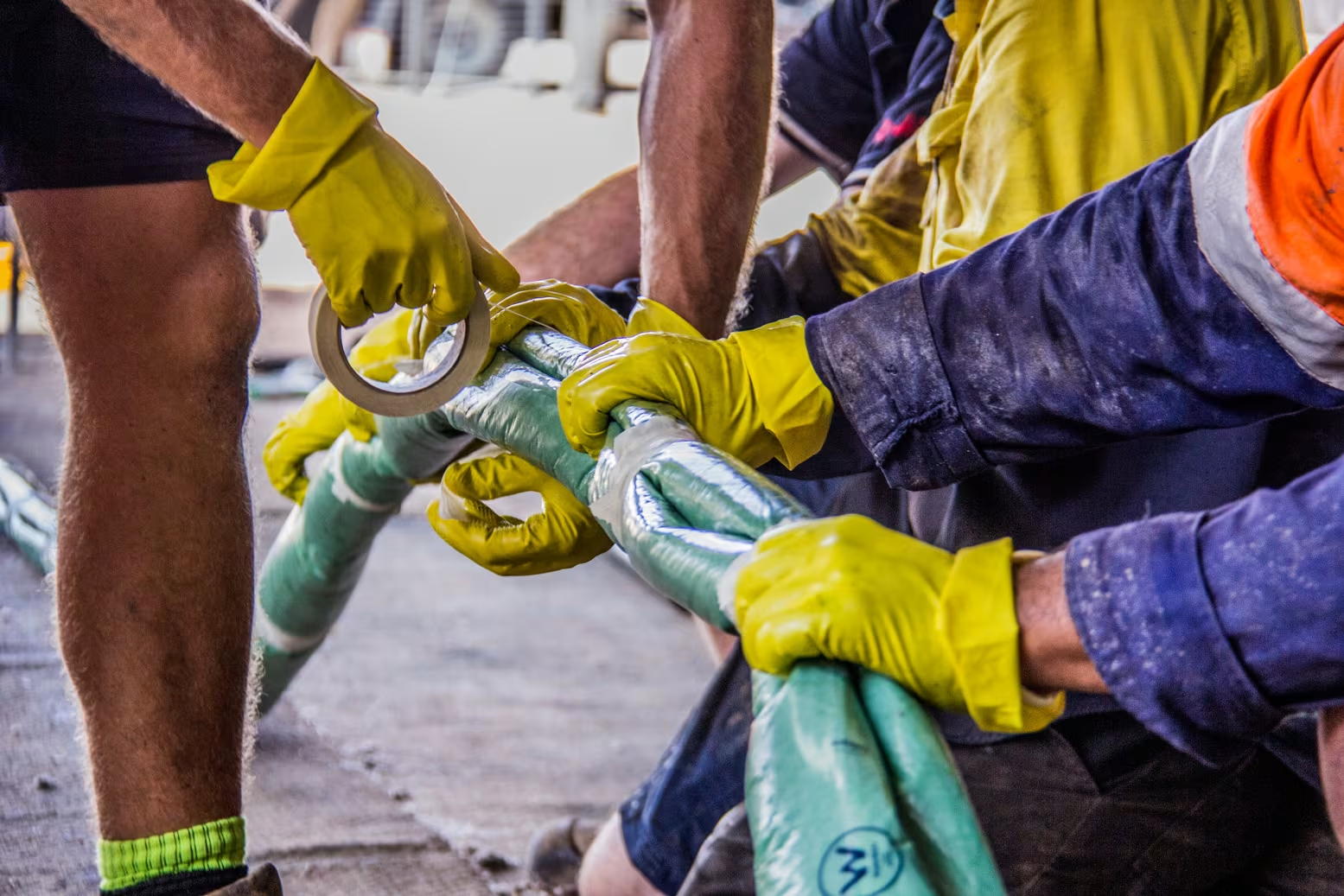
Proactive inspection provides clarity, reduces stress, and often leads to better long-term outcomes. In many cases, modern trenchless solutions such as pipe relining can be used when damage is identified early enough, allowing repairs to be completed with minimal disruption.
If something does not feel right with your drains or plumbing, investigating sooner rather than later is often the most practical approach. Learn more about no-dig pipe relining services.
Ready to Get Answers Before Problems Escalate?
If you are noticing recurring blockages, unusual smells, or unexplained water issues, a professional inspection can help identify the cause before damage becomes costly or disruptive.
Book a pipe inspection with Nuflow today and take a proactive approach to pipe care.