Discovering cracked pipes beneath your home or commercial property has traditionally triggered one immediate concern. Digging. Uprooted gardens, damaged driveways, disruption, and a repair bill that feels hard to control.
But pipe repair has changed. Today, cracked pipes do not automatically mean excavation. Modern trenchless repair methods, particularly pipe relining, offer a low-impact, long-lasting alternative that many property owners still do not realise exists.
This guide explains what causes underground pipes to crack, and how modern repair options work so you can make an informed decision with confidence.
The Old Way: Dig It Out
For decades, excavation was the only practical way to access damaged underground pipes. Pipes were repaired or replaced from the outside, which meant physically exposing them.
This approach made sense at the time. Materials were less flexible, inspection technology was limited, and repairs relied on full pipe removal. If a section failed, the surrounding ground had to be dug out.
As a result, digging became the expected response to pipe failure. Many property owners still associate cracked pipes with major disruption because that was once the only option available.
Common Causes of Cracked Underground Pipes
Cracked underground pipes are rarely the result of a single event. In most cases, damage develops slowly over time as pipes respond to everyday pressures and environmental factors beneath your property. Understanding these causes helps explain why cracks appear and why early inspection can prevent more serious issues down the track.
Common causes include:
- Tree root intrusion seeking moisture through small cracks
- Ground movement from soil expansion or subsidence
- Age-related wear in older clay or metal pipes
- Corrosion from long-term chemical or wastewater exposure
- Repeated blockages increasing internal pressure
These conditions can affect both residential and commercial properties and often go unnoticed until symptoms appear. Homes and buildings with older plumbing systems, mature landscaping, or reactive soils are particularly susceptible, which is why professional CCTV inspection plays an important role in identifying issues before they escalate.
The Problem With Excavation for Modern Properties
Excavation has long been a reliable way to access and repair damaged pipes, and in some situations it is still necessary. However, for many modern homes and commercial buildings, digging is no longer the most practical or reasonable response to pipe damage.
Properties today are more complex, more developed, and more closely integrated into daily life than they were decades ago. As a result, excavation often creates disruption that extends well beyond the pipe itself.
For homeowners, digging can mean:
- Destroyed gardens, paving, or driveways
- Longer repair timelines while surfaces are removed and restored
- Additional costs related to reinstatement rather than the pipe repair
For commercial properties, the risks increase:
- Business downtime and lost productivity
- Restricted access for tenants, staff, or customers
- Increased safety and compliance risks
- Delays while the affected areas is repaired and made usable again
In many cases, the disruption caused by excavation outweighs the original pipe issue. This reality has driven the shift toward modern repair methods that prioritise property protection, minimise interruption, and still deliver durable, long-term pipe solutions.
How Trenchless Pipe Repair Works in Simple Terms
Trenchless pipe repair, commonly known as pipe relining, fixes damaged pipes from the inside rather than the outside.
Here is how the process works in simple terms:
- A CCTV camera is inserted into the pipe to assess the damage
- The pipe is cleaned to remove debris, roots, and blockages
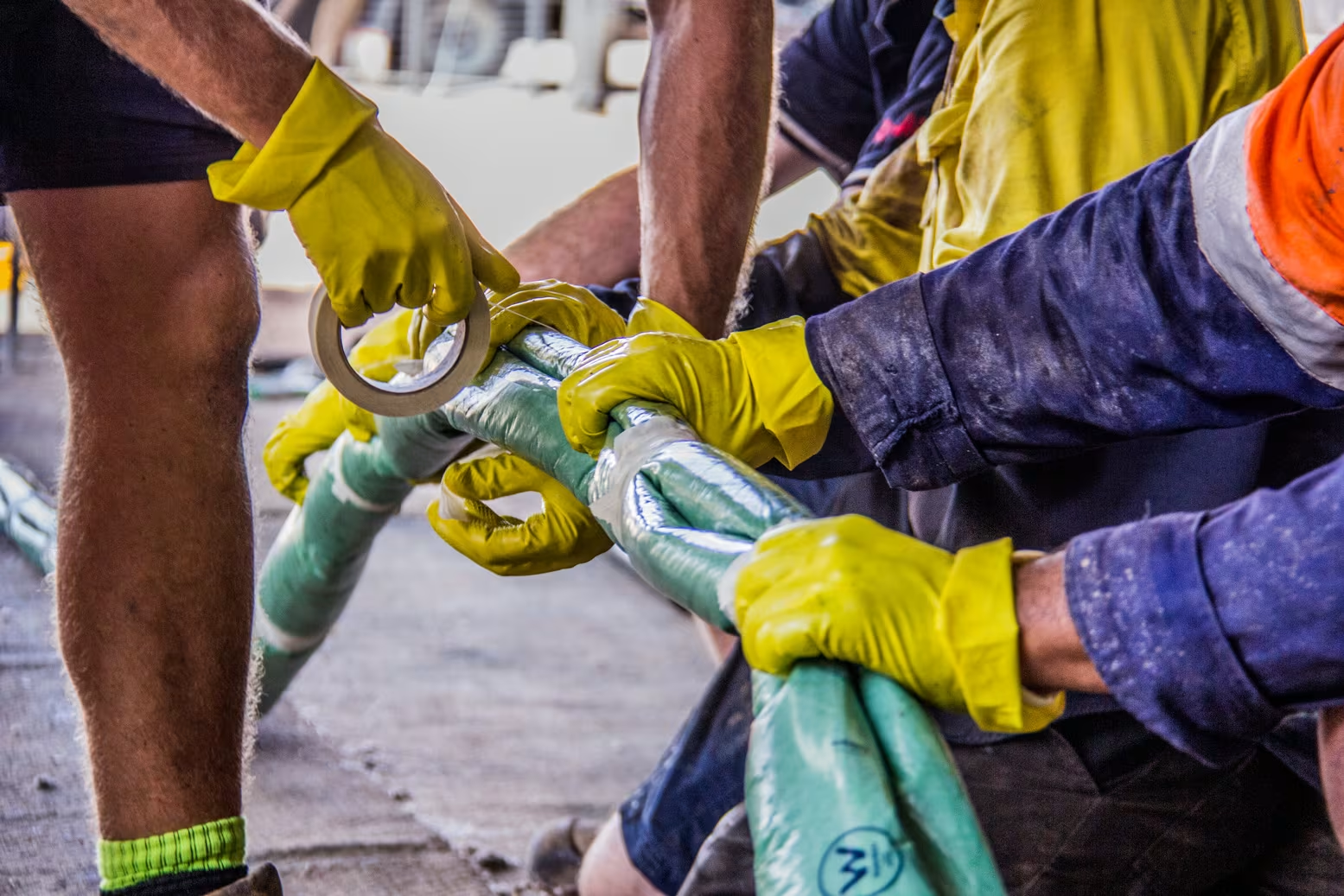
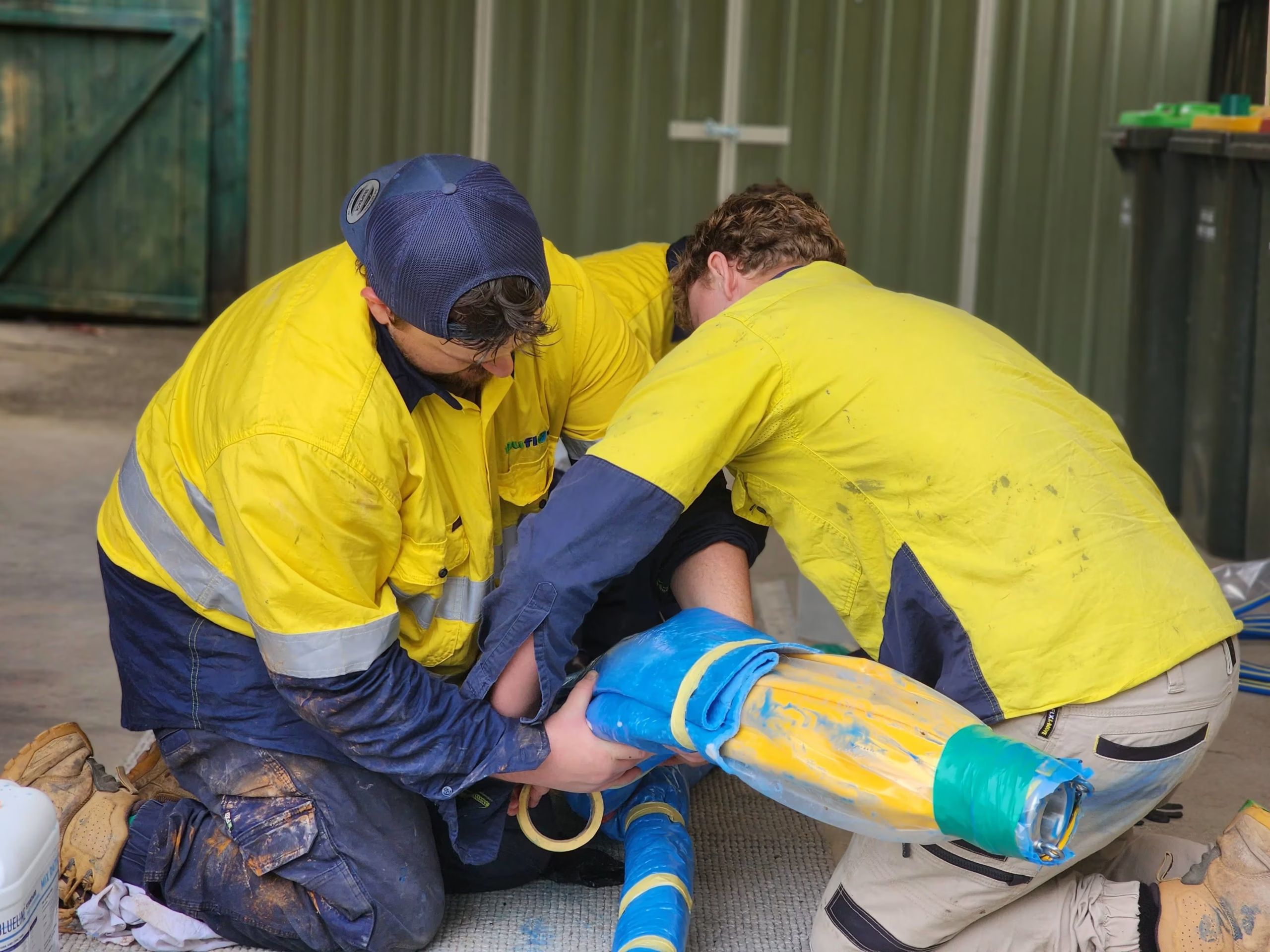
- A flexible liner is inserted into the damaged section
- The liner is expanded to fit tightly against the pipe walls
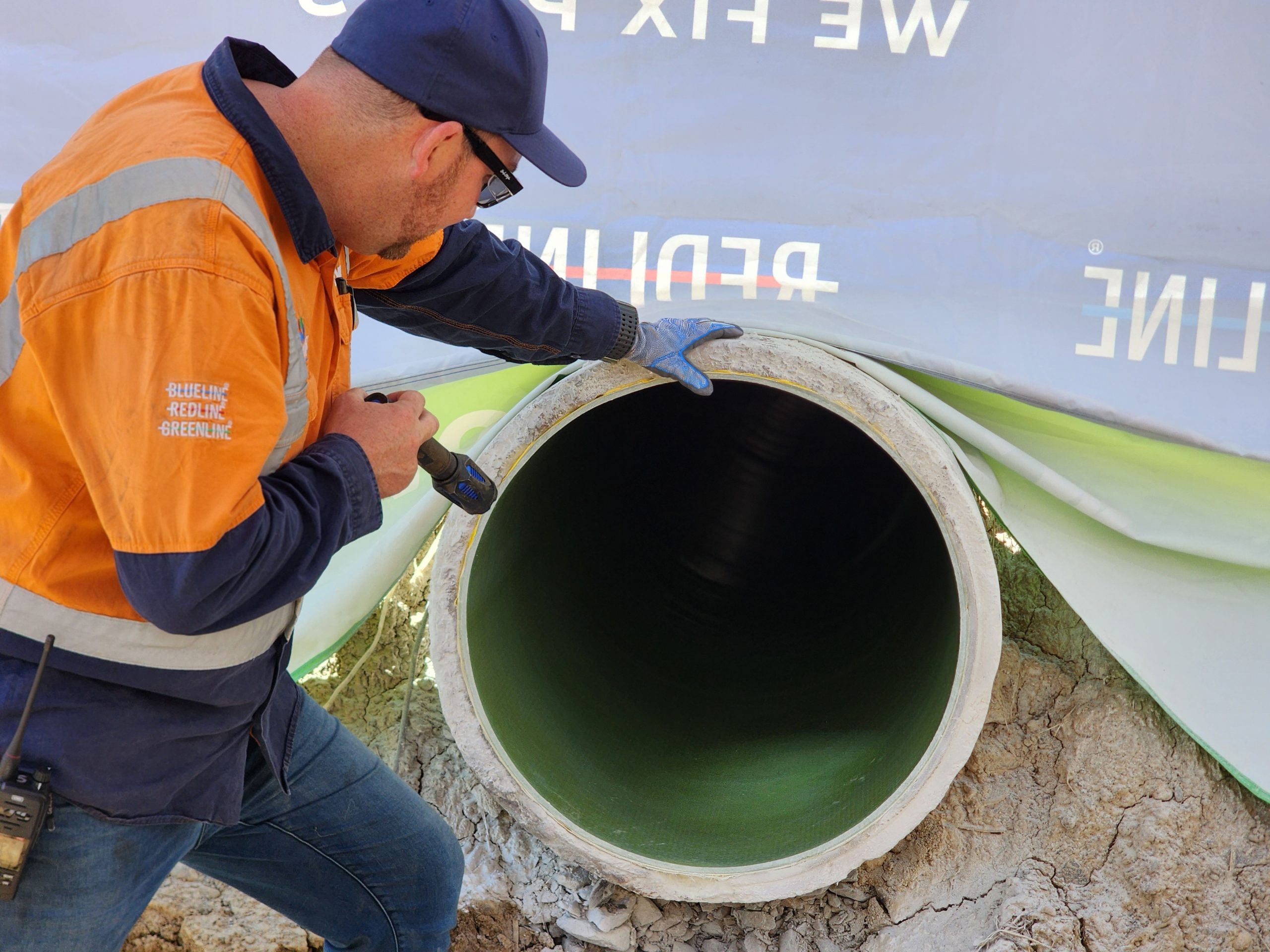
- The resin cures, forming a new pipe within the old one
The result is a strong, seamless internal lining that seals cracks, prevents root intrusion, and restores full flow capacity.
Nuflow specialises in trenchless pipe relining solutions designed to extend the life of existing pipes without excavation. You can learn more about this process on Nuflow’s pipe relining services page.
When Pipe Relining Is Suitable and When It’s Not
Pipe relining is highly effective, but it is not suitable in every situation. Understanding the limits helps ensure the right repair method is chosen.
Pipe relining is suitable when:
- Cracks, fractures, or joint failures are present
- Tree roots have entered the pipe
- Pipes are structurally stable but deteriorated
- Access for excavation would cause major disruption
Pipe relining may not be suitable when:
- Pipes have completely collapsed
- Sections are severely misaligned
- The pipe diameter has drastically changed
- Structural integrity is beyond repair
This is why professional inspection is essential before committing to any repair method.
Why Inspection Matters Before Choosing a Repair Method
Before any repair decision is made, understanding the true condition of the pipe is essential. Choosing a repair method without proper inspection often leads to unnecessary work, higher costs, or solutions that fail to address the real issue.
CCTV pipe inspections remove guesswork by providing a clear, internal view of the pipe. Using high-resolution cameras, technicians can accurately assess what is happening below the surface without disturbing the property.
CCTV pipe inspections provide clear visual evidence of:
- The exact location and severity of the damage
- The pipe material, age, and overall condition
- Tree root intrusion, corrosion, or internal deterioration
- Structural alignment issues such as sagging, cracking, or joint failure
This level of insight ensures the repair approach is based on facts, not assumptions. It allows problems to be identified early, repair options to be matched correctly to the condition of the pipe, and unnecessary excavation to be avoided wherever possible.
Nuflow uses advanced CCTV inspection technology as the foundation of every repair recommendation, ensuring pipe relining or alternative methods are only used when appropriate. Learn more about Nuflow’s CCTV pipe inspection process, today!
Clear Next Steps for Property Owners
If you suspect cracked pipes, the most important thing is to avoid making decisions based on outdated assumptions. Modern pipe repair offers more options than many property owners realise, and the right first step can save time, disruption, and unnecessary expense.
A practical approach starts with:
- Arranging a professional CCTV pipe inspection
- Understanding all suitable repair options for your specific situation
- Comparing disruption, long-term durability, and overall value
- Choosing a solution backed by proven technology and a clear warranty
This measured approach allows you to address the problem properly, without compromising your property or daily operations.
For this reason, trenchless pipe repair is increasingly recognised as a best-practice solution across residential, commercial, and municipal sectors. In Australia, organisations such as the Water Services Association of Australia (WSAA) and the Institute of Public Works Engineering Australasia highlight low-disruption renewal methods as a key part of sustainable asset management.
In New Zealand, Water New Zealand similarly promotes trenchless technologies as an effective way to extend the life of ageing infrastructure while reducing surface disruption. These approaches align with growing expectations around efficiency, sustainability, and long-term property preservation.
By repairing pipes from the inside and avoiding unnecessary excavation, no-dig solutions offer efficiency, sustainability, and property preservation. The focus is no longer just on fixing the pipe, but on protecting the spaces and people that rely on it.
Ready to Fix Pipes Without Digging?
Book a pipe inspection with Nuflow today and get clear advice on the right repair option for your property.